A collision with a tractor-trailer is fundamentally different from a standard car crash. The forces are greater, the injuries are often more severe, and the legal complexities are significant. While you are focused on recovery, the trucking company and its insurance carrier are focused on minimizing their financial responsibility. They have a process, a team, and a strategy that goes into motion the moment they learn of the crash.
This guide reveals the trucking company’s playbook and explains what you must know after a truck accident to protect your rights and your future.
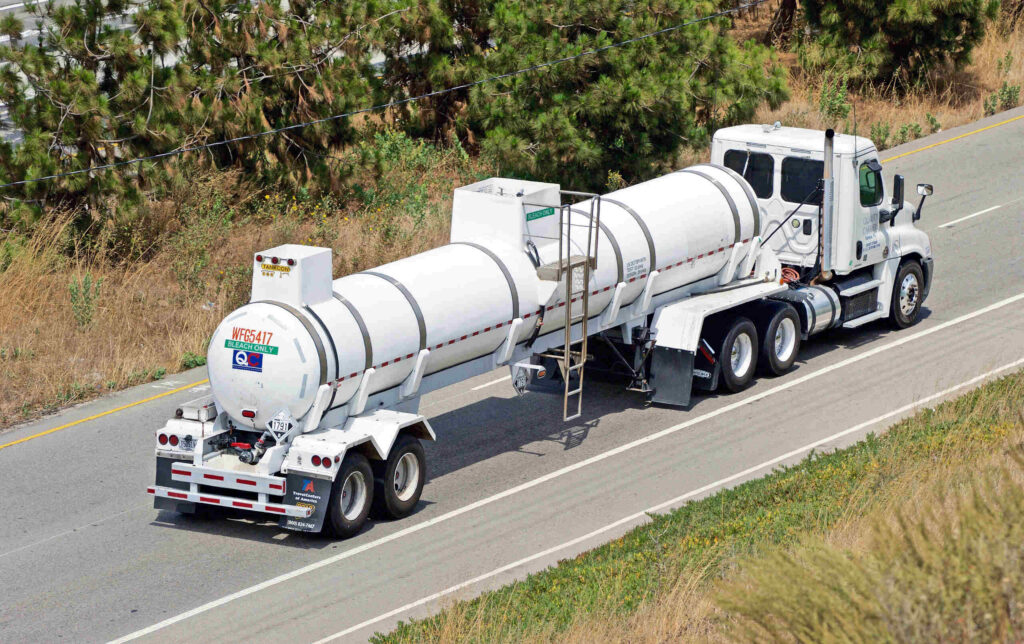
Key Takeaways about What You Must Know after a Truck Accident in Florida
- Large trucking corporations often dispatch rapid-response teams to accident scenes to manage the situation and protect the company's financial interests.
- Preserving time-sensitive evidence, such as data from the truck's electronic data recorder or "black box," is essential for establishing the facts of the crash.
- Commercial trucks and their drivers must adhere to strict federal regulations set by the Federal Motor Carrier Safety Administration (FMCSA), which do not apply to regular passenger vehicles.
- Any statements made to an insurance adjuster for the trucking company can be used to challenge a person's claim for compensation.
- The full extent of injuries from a high-impact truck collision may not be immediately apparent, making ongoing medical evaluation and documentation critical.
1. Know Your Opponent: The Trucking Company's Rapid Response Team
From the moment a serious accident is reported, the trucking company is not just waiting for information—it is actively gathering it. Many large carriers have what are known as "go-teams" or rapid-response units. These teams are made up of investigators, accident reconstructionists, and legal representatives who can be dispatched to an accident scene, sometimes arriving even before the wreckage is cleared from the highway.
The primary objective of this team is not to determine the whole truth but to protect the company from liability. They work quickly to control the narrative and preserve evidence that serves their defense.
Their immediate actions often include:
- Conducting on-scene investigations: They will take photographs and measurements, often from an angle that favors their driver.
- Interviewing witnesses: They may speak to witnesses at the scene to get statements while memories are fresh but also potentially unsettled.
- Preserving their own evidence: The team will take possession of the truck and its data recorders, securing them at a private facility where access can be controlled.
By understanding that a professional team is already working to build a case against you, it becomes clear why leveling the playing field is so important. Their head start can create significant challenges for an injured person seeking fair compensation.
2. Preserve Crucial Evidence Before It's Gone
In a truck accident case, the most compelling evidence is often digital and highly perishable. Unlike a car, a modern commercial truck is equipped with sophisticated monitoring systems that record a wealth of data about the truck's operation just before, during, and after a collision. This evidence is owned by the trucking company, and without swift legal action, it can be lost forever.
Some of the most critical pieces of evidence include:
- The "Black Box": Officially known as an Event Data Recorder (EDR) or Electronic Logging Device (ELD), this unit captures information like the truck's speed, braking activity, steering inputs, and engine RPMs. This data can provide an objective, second-by-second account of what happened.
- Hours-of-Service (HOS) Logs: Federal law requires drivers to log their driving and rest hours to prevent fatigue. These logs can show if a driver was in violation of safety rules and potentially driving while drowsy.
- Maintenance and Inspection Records: A trucking company is required to keep its fleet in safe working order. These records can reveal a history of mechanical problems, such as faulty brakes or worn tires, that may have contributed to the crash.
This evidence is vital, but trucking companies are not required to keep it indefinitely. To prevent this information from being destroyed—either through routine data purges or intentional action—a legal directive must be sent.
The Importance of the Spoliation Letter
A spoliation letter is a formal legal document sent to the trucking company and its representatives. This letter puts them on notice that they must preserve all potential evidence related to the accident. It is a demand to not alter, repair, or destroy the truck, its electronic data, driver logs, maintenance records, and other relevant information.
Sending this letter is one of the most critical first steps to protect your ability to build a strong case. Without it, the "black box" data could be overwritten within weeks, and paper logs could be discarded according to company policy, making it much harder to prove what really happened on the road.
3. Understand the Rules of the Road: Federal Trucking Regulations
Driving a 40-ton vehicle on Florida’s busy highways, like I-95 or the Florida Turnpike, is a massive responsibility. Because of the potential for catastrophic harm, the trucking industry is governed by a comprehensive set of federal laws in addition to state traffic laws. The Federal Motor Carrier Safety Administration (FMCSA) sets these rules to ensure the safety of everyone on the road.
When a truck driver or a trucking company violates these federal regulations, it can serve as powerful evidence of negligence. An experienced legal team will conduct a thorough trucking company investigation to determine if any of these rules were broken.
Key areas covered by FMCSA rules include:
- Driver Qualifications: Companies must perform background checks, verify driving records, and ensure drivers are properly licensed and trained.
- Drug and Alcohol Testing: Strict protocols exist for pre-employment, random, and post-accident substance testing.
- Vehicle Maintenance: Regulations mandate regular, documented inspections and repairs of critical systems like brakes, tires, and lights.
- Cargo Loading: Rules dictate how cargo must be weighed, balanced, and secured to prevent shifting loads or rollovers.
A violation in any of these areas can point directly to the cause of a collision. For example, if an investigation reveals the driver exceeded their legal driving hours or that the company failed to repair a known brake issue, it demonstrates a clear disregard for safety that contributed to your injuries.
4. Guard Your Words: Communicating with Insurance Adjusters
Shortly after the accident, you will almost certainly receive a call from an insurance adjuster representing the trucking company. It is crucial to remember that this person is not on your side. Their job is to protect their company's bottom line by resolving your claim for the lowest possible amount. They are often trained in tactics designed to get you to say things that can weaken your case.
Here are some guidelines for handling these calls:
- Avoid giving a recorded statement: You are not obligated to provide a recorded statement. Adjusters can use these recordings to find inconsistencies in your story or to get you to unintentionally downplay your injuries.
- Do not accept a quick settlement: The first offer is almost never the best offer. It is often a lowball amount meant to close the case before you understand the full extent of your injuries and financial losses.
- Be careful with casual conversation: Even simple phrases like "I'm doing okay" or "It wasn't that bad" can be taken out of context and used to argue that your injuries are not severe.
The best approach is to politely decline to discuss the details of the accident or your injuries. You can simply state that you are focusing on your medical care and will have your representative contact them. This protects you from making a statement that could jeopardize your right to fair compensation later on.

5. Prioritize Your Recovery and Document Everything
After a truck accident, your health is the absolute priority. It is essential to get a thorough medical evaluation, even if you feel your injuries are minor. The adrenaline from a traumatic event can mask pain, and some serious conditions, like traumatic brain injuries (TBI) or internal bleeding, may not show symptoms for hours or even days.
Following through with your medical treatment is not only important for your well-being but also for your legal claim. It creates an official record that connects your injuries to the accident.
To support both your recovery and your case, you should:
- Follow your doctor's orders: Attend all follow-up appointments, go to physical therapy sessions, and take all prescribed medications. Gaps in treatment can be used by insurance companies to argue that you weren't truly hurt.
- Keep detailed records: Hold onto every medical bill, pharmacy receipt, and any other document related to your accident-related expenses.
- Maintain a journal: Write down how you are feeling each day. Note your pain levels, any physical limitations, and how the injuries are affecting your ability to work, sleep, and enjoy daily activities. For instance, documenting that you can no longer manage the drive from your home in Jacksonville to visit family in Tampa because of pain and anxiety is a powerful way to show the real-world impact of the collision.
This detailed documentation provides a clear picture of your physical, emotional, and financial damages, which is essential for calculating the full compensation you may be entitled to receive.
Florida Truck Accident FAQs
Here are answers to some common questions that arise after a collision with a large commercial truck.
How long do I have to file a truck accident claim in Florida?
In Florida, the statute of limitations for most personal injury cases, including truck accidents, is generally two years from the date of the accident. However, the specifics can vary, and it is crucial to act quickly to ensure all evidence is preserved and deadlines are met.
What if the truck driver was an independent contractor?
Liability in truck accident cases can be complex. Even if the driver is classified as an independent contractor, the trucking company that hired them may still be held responsible under theories of negligent hiring or if they exercised significant control over the driver's work. A trucking company investigation is needed to determine all potentially responsible parties.
Can I get compensation if I was partially at fault for the accident?
Florida follows a "modified comparative negligence" rule. This means you can still recover damages even if you were partially at fault, as long as your percentage of fault is not more than 50 percent. Your total compensation would then be reduced by your percentage of fault.
What types of compensation are available in a truck accident case?
Compensation, often called "damages," can cover a wide range of losses. This may include economic damages like current and future medical bills, lost wages, and loss of earning capacity. It can also include non-economic damages for pain and suffering, emotional distress, and loss of enjoyment of life.
The trucking company's insurance offer seems fair. Why shouldn't I just take it?
Initial settlement offers rarely account for the full, long-term costs of a serious injury. They may not cover future medical treatments, necessary surgeries, ongoing physical therapy, or the wages you will lose if you cannot return to work. Accepting an early offer means you forfeit your right to seek any further compensation, even if your medical condition worsens.
Get the Support You Need from The Russo Firm
Understanding what you must know after a truck accident is crucial, but taking action is what truly matters. The legal process following a collision with a commercial truck is challenging, and the opposition is well-funded and prepared. You do not have to face them alone. The legal team at The Russo Firm has decades of experience holding trucking companies and their insurers accountable.
Our firm is equipped with an in-house investigative team to collect and analyze evidence, and our truck accidents attorneys are committed to helping you recover the compensation you need to rebuild your life. We handle the legal burdens so you can focus on what is most important: your health and your family. For a free, no-obligation consultation to discuss your case, please contact us.