What Happens Now? Your Guide on What To Do After a Hit and Run Accident
After a hit and run accident, report the incident to the police (if they didn’t show up to the scene) and your insurance company to create an official record and start the claims process. You face a unique challenge when the at-fault driver flees the scene, but you still have options to seek compensation and stability. 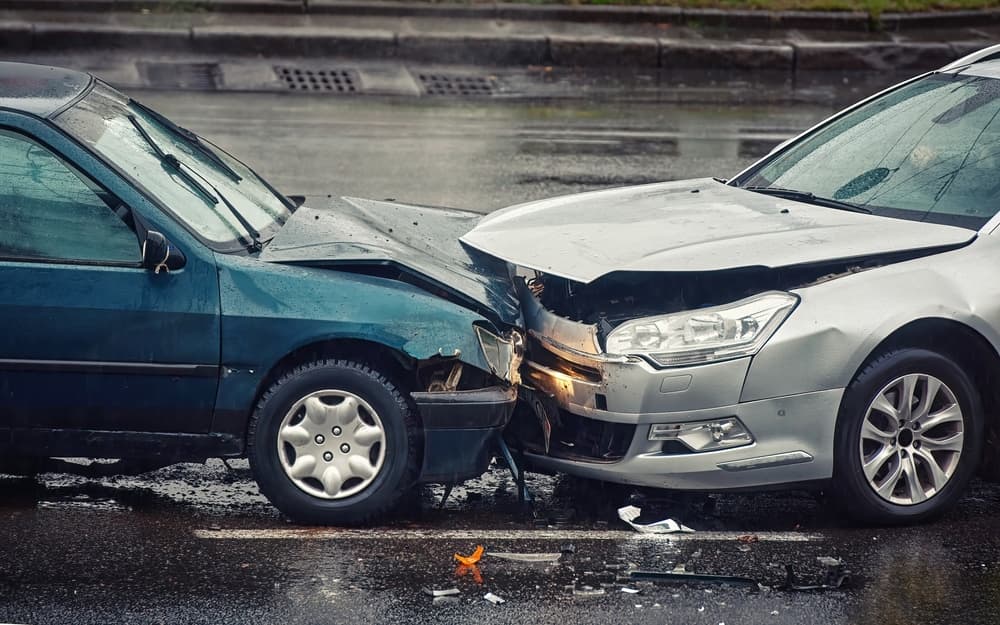
Key Takeaways for After a Hit and Run Accident
- Immediately file a police report to create an official record of the crime, and notify your own insurance company about the hit and run as soon as possible.
- Document every detail you can remember about the other vehicle and the accident itself.
- Explore your Uninsured Motorist (UM) coverage for potential compensation.
- Consult with an attorney to protect your rights and review all available options.
6 Actions To Take After a Hit and Run Accident
You can take several direct steps from home to advance your case and begin the process toward financial recovery. Each action helps create a comprehensive record that supports your claim.
Follow this structured approach to protect your rights:
- Notify Your Insurer: Contact your own auto insurance company to formally report the accident and state your intention to file a claim. Providing timely notification is likely a requirement of your policy, and it officially opens the channel for you to seek compensation under your coverage.
- Document Your Recollection: Write down a detailed statement about the accident, capturing every fact you remember while it’s still fresh in your mind; your narrative preserves critical information about the sequence of events, road conditions, and your exact observations, which become vital for your insurance claim.
- Organize Your Evidence: Gather all photos and videos of your injuries and property damage into a secure digital folder, and back it up on the cloud. Visual proof serves as a powerful and undeniable record of the damages you sustained and helps an insurance adjuster understand the full scope of your losses.
- Obtain the Official Report: Request a copy of the official hit and run accident report from the responding police department.
- Compile Your Medical File: Create a complete file containing all of your medical records, detailed treatment plans from your doctors, and every associated invoice or bill.
- Consult a Lawyer: Speak with an attorney to discuss the specifics of your case and explore the full range of your legal options. A car accident lawyer can protect your rights, manage communications with the insurer, and outline a clear strategy for pursuing the compensation you need.
Filing a timely police report establishes the official foundation for your case. It serves as a critical piece of documentation for your insurance provider. A police report transforms the hit and run into a documented crime, which prompts a law enforcement investigation.
Insurers also require a formal report to process an Uninsured Motorist (UM) claim or other related claims, and the report lends credibility to your account of what happened. Without an official paper trail, an insurance company might question the circumstances of your damages.
A police report for a hit-and-run will typically document the following key information:
- Vehicle Identification Details: This includes the make, model, color, and approximate year of the fleeing vehicle. The report will note the full or partial license plate number and the issuing state, if observed.
- Vehicle Characteristics: Any unique features of the car, such as bumper stickers, existing damage, custom wheels, or a roof rack, may be recorded in the report.
- Driver Description: The report may contain any details about the driver, including their gender, hair color, or clothing.
- Accident Specifics: It establishes the official record of the date, time, and precise location of the collision.
- Last Known Direction: The report may note the street and direction the driver used to flee the scene, providing a starting point for an investigation.
Documenting Evidence of the Collision After the Fact
Even when you’re home and away from the crash site, you can still gather valuable information. Your recollection and any materials you collected at the scene form the core of your evidence. This documentation strengthens any hit and run insurance claim you file.
Your Recollection of the Event
Write down your entire memory of the accident while it remains fresh. Detail the events leading up to the collision, the impact itself, and what occurred immediately after. Describe the road conditions, the weather, and the flow of traffic at the time.
Your written account creates a consistent record that you can reference later by helping you recall precise facts when speaking with law enforcement or your insurance company.
Identifying Potential Witnesses
Reflect on who was present at the scene. Other drivers, pedestrians, or nearby residents might have seen the accident. Return to the location when it’s safe and look for nearby homes or businesses with security cameras that may have recorded the incident.
Someone may have seen something crucial, such as the full license plate number or a clear view of the driver. A witness can corroborate your story and provide an independent account; their perspective adds immense strength to your position.
Gathering Physical Evidence
Collect all physical documentation related to the crash, including any photos you took of your injuries, your vehicle's damage, and the accident location. Also, gather contact information for any witnesses you identified.
Keep all medical records, bills, and receipts from your treatment, and you’ll also need repair estimates for your vehicle. Organize this evidence so you can easily access it when you file your UM claim.
Using Your Own Insurance After a Hit and Run
When the other driver is unknown, you turn to your own insurance policy to cover your losses. Several types of coverage can help you in this situation; your policy declarations page lists the specific coverages you carry.
Your agent can explain which parts of your policy apply to the incident and how to file a claim if you don't know who hit you.
Some common applicable coverages include:
- Collision Coverage: This part of your policy pays to repair or replace your vehicle after a collision with another car, regardless of fault. You pay a deductible, and then your insurer covers the remaining costs up to your policy limit. It doesn’t cover medical expenses.
- Uninsured Motorist Bodily Injury (UMBI) Coverage: A hit and run driver legally qualifies as an uninsured motorist, and UMBI coverage pays for your medical bills, lost wages, and pain and suffering resulting from your injuries. In many locations, this is a required coverage.
- Uninsured Motorist Property Damage (UMPD) Coverage: Similar to UMBI, UMPD covers repairs to your car when an uninsured driver—including a hit and run driver—causes the damage. Some states combine this with collision coverage or offer it as a separate option.
- Medical Payments (MedPay) or Personal Injury Protection (PIP): These no-fault coverages help pay for your medical expenses and those of your passengers after an accident. If you have them, they apply regardless of who was at fault and can supplement your UM coverage or health insurance.
When Authorities Identify the At-Fault Driver
In some cases, a police investigation or a new witness successfully leads to finding a hit and run driver. This development may change your approach to seeking compensation, shifting your focus from your own insurance policy to the at-fault driver's resources.
If authorities find the at-fault driver and that person has no liability insurance, your claim proceeds under your own Uninsured Motorist (UM) coverage, which is the same coverage that applies when the driver is never found.
Of course, you could try for a lawsuit against their personal assets, but this path seems unlikely. If a driver doesn’t carry insurance, they may be judgment-proof, meaning they lack the personal assets to pay for your damages even if you sue them successfully.
When Underinsured Motorist Coverage Steps In
If the identified driver has insurance but their policy limits are too low to cover the full extent of your damages, you can use your own Underinsured Motorist (UIM) coverage to bridge the gap, stepping in to cover the remaining amount between the at-fault driver's policy limit and the total value of your claim.
How a Personal Injury Lawyer Helps When the At-Fault Driver Flees the Scene
A lawyer acts as your advocate, managing the complex legal and insurance processes so you can focus on your recovery. They bring experience to the table and know how to build a strong case, even with limited information.
If you’re unsure what to do after a hit and run accident, speak with a lawyer to get clear answers on your options. They professionally manage your hit and run insurance claim from start to finish.
A lawyer advances your case in several ways:
- Investigating the Accident: An attorney can conduct an independent investigation aimed at identifying a hit and run driver, utilizing resources such as private investigators and requesting traffic camera footage. They gather valuable evidence in a hit and run case to substantiate your claim.
- Managing Insurance Communications: A lawyer handles all communications with your insurance company, preventing you from making statements that an adjuster might use to reduce your settlement.
- Calculating Your Damages: A legal professional knows how to assess the full value of your claim, including future medical needs, long-term lost income, and non-economic damages like pain and suffering. This ensures you demand fair compensation.
- Negotiating a Fair Settlement: Experienced negotiators can effectively argue your case with insurance adjusters. They use the evidence to counter lowball offers and fight for a settlement that covers all of your losses.
- Filing a Lawsuit: If your lawyer or the police locate the hit and run driver, you may pursue a claim against their insurer instead of your own. If the at-fault driver’s insurance company refuses a fair settlement, a lawyer can file a lawsuit and represent you in court.
FAQ for What Do I Do After a Hit and Run Accident?
What Evidence Strengthens a Hit and Run Claim?
The most valuable evidence includes a police accident report, photos of the damage to your vehicle and the scene, and contact information from any witnesses. Medical records and photos detailing your injuries are also helpful.
Any piece of information you recall about the fleeing car, such as its color, model, or partial license plate, aids the investigation.
Will My Own Insurance Handle a Hit and Run Claim?
Your own insurance company treats a hit and run as a claim under your Uninsured Motorist (UM) coverage. Your insurer investigates to confirm the facts, including the existence of a police report. They then evaluate your documented medical bills, lost wages, and property damage to determine a settlement amount, up to the limits of your policy.
What Happens if the At-Fault Driver Is Found but Lacks Insurance?
If police find the hit and run driver and that person has no insurance, you still pursue compensation through a UM claim. The situation remains functionally the same as if the driver were never found.
Is It Possible To Find a Hit and Run Driver?
Yes, authorities can often find a hit and run driver. Investigators use evidence such as witness statements, paint chips left at the scene, and footage from traffic or business surveillance cameras.
Information from your hit and run accident report gives them the starting point they need to begin their search, and witnesses may have tips on the vehicle’s or driver’s appearance.
If I Think I Know the Driver Who Hit Me, What Do I Do?
If you suspect you know who the hit and run driver is, provide this information to the police immediately. Don’t confront the person yourself. Give the authorities their name, a description of their vehicle, and why you believe they are responsible, and let the professional investigators take the appropriate next steps.
 Call the Russo Firm Today
A hit and run accident can leave you feeling powerless, but taking organized action can restore your sense of control. Focus on one simple, empowering step: create a dedicated file for your case. Gather all your photos, receipts, and documents and put them in one place, which gives your lawyer a starting point to build from.
You have options, and you can take charge of your recovery. If you need help understanding your rights and building your claim, contact the Russo Firm at (954) 767-0676 for a clear conversation about your next steps.