Home > Blog > How Does Suboxone Cause Tooth Decay?
December 1, 2023 | By The Russo Firm
How Does Suboxone Cause Tooth Decay?Suboxone has helped countless Americans overcome opioid addiction, offering hope during one of the nation's most devastating public health crises. Yet this medication, designed to rebuild lives, may harbor a hidden danger—severe dental damage that has sparked Suboxone tooth decay lawsuits nationwide. Patients report losing healthy teeth within years of starting treatment, facing overwhelming dental bills and permanent oral health complications.The FDA's 2022 warning about dental problems linked to sublingual buprenorphine products validated what many patients had experienced for years. Understanding how Suboxone affects dental health empowers patients to protect their teeth while maintaining recovery and explore legal options if they've already suffered damage.
Key Takeaways
Suboxone's acidic pH of 3.4 erodes tooth enamel during sublingual absorption, creating conditions for rapid decay and structural damage.
The FDA warned in 2022 about severe dental problems from buprenorphine medications dissolved in the mouth after receiving hundreds of adverse event reports.
Manufacturers Reckitt Benckiser and Indivior face lawsuits alleging they knew about dental risks but delayed warnings until regulatory pressure forced action.
Dental damage ranges from cavities and fractures to complete tooth loss that requires dentures or implants costing tens of thousands of dollars.
Patients experiencing Suboxone-related dental problems may seek compensation for treatment costs, lost wages, and pain through ongoing litigation.
What Is Suboxone and Why Is It Prescribed?
The opioid crisis claims thousands of American lives annually, devastating families and communities nationwide. Suboxone emerged as a cornerstone of medication-assisted treatment (MAT), combining buprenorphine to reduce cravings with naloxone to prevent misuse. This combination helps stabilize patients in recovery, allowing them to rebuild their lives free from opioid dependence.Suboxone dissolves under the tongue as a film strip or tablet, absorbing directly through oral tissues into the bloodstream. This sublingual delivery method proves highly effective but requires holding the medication in the mouth for 5-10 minutes per dose. Patients typically take Suboxone daily for months or years as part of comprehensive addiction treatment programs.The extended contact between Suboxone and oral tissues during each dose creates unique risks. Unlike swallowed medications that quickly pass through the mouth, sublingual formulations bathe teeth and gums in medication for prolonged periods, potentially multiple times daily throughout long-term treatment.
Scientific Evidence Linking Suboxone and Dental Problems
Research documenting the connection between sublingual buprenorphine and severe dental problems has accumulated over the past decade. A pivotal 2013 study identified unusually high rates of dental disease among patients taking sublingual buprenorphine compared to other addiction treatments.The evidence strengthened significantly with a 2022 JAMA study analyzing FDA adverse event reports. Researchers found that patients using sublingual buprenorphine products faced substantially higher dental problem risks than those using patches or injections, suggesting the delivery method itself contributes to dental damage.These findings prompted the FDA to issue a safety communication in January 2022. The FDA mandated label changes to warn about dental risks and recommend preventive measures.
Why Suboxone Causes Tooth Decay
The mechanism behind Suboxone's dental damage centers on its acidic formulation and prolonged oral contact. Understanding this process helps explain why damage occurs so rapidly compared to normal decay patterns.
The Acidic Attack on Tooth Enamel
Suboxone's pH measures approximately 3.4—similar to orange juice or vinegar. Tooth enamel begins demineralizing at pH levels below 5.5, meaning each dose creates conditions for enamel erosion. While teeth can handle occasional acid exposure, daily Suboxone use means repeated acid baths lasting 5-10 minutes per dose.The sublingual absorption requirement compounds this problem. Patients must hold the medication under their tongue without swallowing, allowing the acidic solution to pool around lower teeth and along gum lines. This concentrated exposure accelerates enamel breakdown in specific patterns that dentists now recognize as characteristic of Suboxone use.
Secondary Factors Accelerating Decay
Dry mouth frequently accompanies Suboxone treatment, reducing saliva's natural protective properties. Saliva normally neutralizes acids and provides minerals for enamel repair, but decreased production leaves teeth vulnerable. The combination of direct acid attack and reduced natural defenses creates ideal conditions for rapid decay progression.Examining the stages of Suboxone-related dental decline reveals a predictable pattern that helps patients and providers identify problems early:
Early stage: Increased sensitivity to hot and cold, white spots indicating enamel demineralization
Moderate stage: Visible cavities forming along gum lines, tooth discoloration, minor fractures
Severe stage: Multiple deep cavities, major fractures, abscesses, tooth loss requiring extraction
Real-World Impact: Dental Problems Reported
The human cost of Suboxone dental damage extends beyond clinical descriptions into devastating life changes. Patients describe watching their teeth crumble despite good oral hygiene and facing choices between continuing life-saving addiction treatment and preserving their dental health.
Physical Complications and Daily Struggles
Common dental problems create cascading health issues that affect every aspect of daily life. Multiple cavities developing simultaneously overwhelm patients' ability to address them before serious complications arise. Tooth fractures occur during routine activities like eating, exposing sensitive inner structures and creating infection pathways.These initial problems often progress to severe complications requiring emergency intervention:
Painful dental abscesses that spread infection to surrounding tissue and bone
Advanced gum disease threatening remaining teeth and overall health
Complete tooth loss requiring dentures or implants for basic functions
Chronic pain affecting sleep, work performance, and quality of life
Nutritional deficiencies from inability to eat certain foods
Emotional and Financial Devastation
The psychological impact proves equally severe. Patients report avoiding social situations, struggling with depression, and experiencing damaged self-esteem from visible tooth loss. Professional opportunities may disappear when appearance matters, compounding financial stress from mounting dental bills.Treatment costs create overwhelming financial burdens even for insured patients. Basic fillings and root canals quickly escalate to extensive reconstruction needs. Full mouth restoration can exceed tens of thousands of dollars, with dental insurance covering only small fractions. Lost wages during recovery and ongoing maintenance costs can strain family finances for years.
Suboxone Lawsuits and Legal Developments
Product liability litigation against Reckitt Benckiser and Indivior alleges these manufacturers prioritized profits over patient safety by concealing known dental risks. Hundreds of federal lawsuits claim the companies possessed internal data showing dental damage patterns but delayed warnings until FDA intervention forced action, prompting many patients to file a product liability lawsuit seeking compensation.
Building the Legal Case
Central to these lawsuits is evidence suggesting manufacturers could have developed less acidic formulations but chose not to pursue alternatives. Internal documents allegedly show awareness of dental risks years before public warnings, potentially exposing companies to punitive damages for willful misconduct.Plaintiffs argue that earlier warnings would have enabled preventive measures like enhanced dental monitoring, prescription fluoride treatments, or alternative medication choices. The failure to provide this information until 2022 allegedly caused preventable suffering and financial losses for thousands of patients.
Litigation Progress and Potential Outcomes
Legal experts anticipate potential consolidation into multidistrict litigation (MDL) to streamline pretrial proceedings. This process would centralize cases before one judge for efficiency while preserving individual damage assessments.Settlement values remain speculative, but pharmaceutical litigation history suggests compensation may vary based on:
Extent of dental damage documented through records and imaging
Economic losses, including past and future treatment costs
Whether punitive damages apply based on corporate conduct
Compensation for Victims
Suboxone dental damage victims may pursue comprehensive compensation addressing both economic and personal losses through ongoing litigation. Understanding potential damage categories helps patients evaluate their legal options.
Economic Damages: Calculating Financial Impact
Medical and dental expenses form the foundation of economic damage claims. Compensation may cover extensive treatment histories from initial cavity repairs through major reconstructive procedures. Future dental needs factor prominently, as damaged teeth often require ongoing maintenance and eventual replacement.Documenting these expenses requires careful record-keeping throughout treatment:
Emergency dental visits for infections and severe pain
Routine and specialized procedures, including extractions and root canals
Major restorative work, such as bridges, crowns, and implants
Prescription medications for pain and infection management
Travel costs for specialized dental care
Lost wages add another crucial component, particularly when dental problems force extended work absences. Some patients face reduced earning capacity when visible dental damage affects career opportunities in public-facing professions.
Non-Economic Damages: Addressing Personal Suffering
Compensation extends beyond financial losses to address profound personal impacts. Physical pain from dental infections and procedures, combined with ongoing sensitivity issues, significantly diminishes quality of life. Emotional suffering encompasses anxiety about dental health, depression from altered appearance, and social isolation.Courts recognize how dental problems affect fundamental life experiences. Simple pleasures like enjoying meals, smiling confidently, or speaking clearly become sources of distress. These non-economic damages acknowledge that some losses cannot be measured purely in dollars but deserve recognition and compensation.
What to Do If You Experienced Suboxone Dental Problems
Taking action promptly helps protect your dental health and legal rights. Start by obtaining comprehensive dental evaluations that document existing damage and create treatment plans. Request complete records, including x-rays, treatment notes, and cost estimates.
Essential Documentation Steps
Preserving evidence strengthens potential claims and establishes clear connections between Suboxone use and dental damage. Gather pharmacy records showing all Suboxone prescriptions with dates, dosages, and duration. Save receipts for dental treatments, pain medications, and related expenses.Create visual documentation through photographs showing dental deterioration over time. Written records should include:
Timeline of dental problems relative to starting Suboxone
Descriptions of pain levels and daily life impacts
Work absences and activity limitations
Emotional effects on relationships and self-esteem
Previous dental health status before Suboxone treatment
Protecting Your Legal Rights
Consult attorneys who have worked in pharmaceutical litigation to understand options and applicable deadlines. Statutes of limitations vary by state, making timely action crucial. Attorneys can evaluate cases, explain processes, and determine whether individual lawsuits or MDL participation best serves your interests.Never discontinue Suboxone without medical supervision, as recovery from opioid use disorder remains paramount. Legal action focuses on obtaining compensation for damage already suffered while allowing continuation of necessary treatment.
FAQ for Suboxone Tooth Decay
What stages of dental damage typically occur with long-term Suboxone use?
Suboxone-related dental damage follows a progression that helps patients and providers identify problems early. Initial signs include heightened sensitivity to temperature changes and white spots on teeth, indicating enamel weakening.The intermediate stage brings visible cavities forming along gum lines where medication pools, tooth discoloration, and minor chips or cracks. Advanced damage involves deep cavities affecting multiple teeth, major fractures exposing tooth nerves, infected abscesses requiring antibiotics or drainage, and ultimately tooth loss requiring extraction.The speed of progression varies among patients but often occurs faster than typical age-related decay.
How can I differentiate between normal dental wear and Suboxone-related damage?
Suboxone dental damage displays distinct patterns that differ from typical decay. The location of cavities provides important clues—Suboxone-related decay often appears uniformly along lower gum lines and between teeth where dissolved medication concentrates.The rapid progression across multiple teeth simultaneously, rather than isolated cavities, suggests medication-related damage. Timing relative to starting Suboxone offers another indicator, especially if previous dental health was good.Dental professionals familiar with medication-related decay can identify characteristic erosion patterns during examination. Document any correlation between Suboxone dosage changes and accelerated dental problems, as higher doses or increased frequency may worsen damage.
What preventive measures might have helped if manufacturers had warned about dental risks earlier?
Earlier warnings could have enabled multiple preventive strategies to minimize dental damage while maintaining addiction treatment. Dental professionals could have implemented enhanced monitoring schedules with cleanings every 3-4 months instead of standard twice-yearly visits.Prescription-strength fluoride treatments, specialized toothpastes, and remineralizing rinses might have strengthened enamel against acid attack. Patients could have practiced specific oral hygiene techniques like rinsing with water immediately after doses and waiting to brush teeth to avoid spreading acid.Alternative medication delivery methods like patches or injections could have been considered for patients with existing dental vulnerabilities. Custom dental guards might have protected teeth during sublingual absorption. These preventive options, denied by delayed warnings, form part of failure-to-warn legal claims.
Can I join existing Suboxone lawsuits if I'm still gathering dental records and documentation?
Yes, you can begin the legal process while continuing to gather documentation. Attorneys understand that compiling comprehensive dental records takes time, especially when treatment spans multiple providers. Initial consultations can proceed with basic information about your Suboxone use timeline and dental problems experienced.Law firms often help obtain missing records through proper authorization forms. Starting legal consultation early helps ensure you don't miss filing deadlines while documentation continues. Attorneys can advise which records are most critical and may connect you with dental experts for damage assessment.The legal team can begin investigating your claim while you focus on dental treatment and recovery. Don't delay consultation thinking you need perfect documentation—experienced attorneys guide you through evidence gathering.
What should I discuss with my addiction treatment provider about balancing recovery needs with dental health?
Open communication with your addiction treatment provider ensures dental concerns don't jeopardize recovery progress. Discuss any dental symptoms you're experiencing and share information about FDA warnings regarding sublingual buprenorphine.Ask about alternative formulations like buccal films, patches, or injections that might reduce dental exposure while maintaining treatment effectiveness. Never adjust or discontinue medication without medical guidance, as this risks relapse and overdose.Work together to develop strategies, such as dose timing, that allow thorough dental hygiene afterward. Request referrals to dentists experienced with medication-related dental issues who understand addiction recovery needs.Your provider can document dental side effects in medical records, supporting both immediate care decisions and potential legal claims. Remember that staying in recovery remains the priority—legal action seeks compensation for damage while continuing necessary treatment.
Protecting Your Smile and Your Rights
Suboxone plays a vital role in fighting the opioid crisis, but patients deserve transparency about all risks, including severe dental consequences. The evidence is clear—from scientific studies to FDA warnings to mounting lawsuits—that Suboxone's acidic formulation can destroy healthy teeth, leaving patients facing pain, disfigurement, and financial hardship during their recovery journey.If you've experienced tooth decay, fractures, or tooth loss while using Suboxone, you don't have to face these challenges alone. The Russo Firm stands ready to fight for patients harmed by pharmaceutical companies that allegedly prioritized profits over proper warnings. With offices throughout Florida, New York, Louisiana, Arizona, and Texas, our experienced mass tort attorneys understand the science, the suffering, and the legal strategies needed to pursue justice. Contact The Russo Firm at (561) 203-6649 today for a free consultation about your Suboxone dental damage claim and learn how we can help secure compensation for your dental treatment needs and ongoing care.
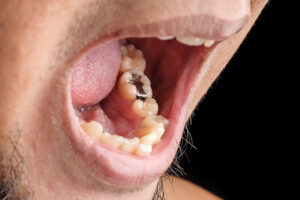
 The mechanism behind Suboxone's dental damage centers on its acidic formulation and prolonged oral contact. Understanding this process helps explain why damage occurs so rapidly compared to normal decay patterns.
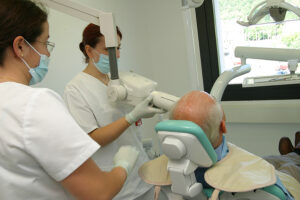 Taking action promptly helps protect your dental health and legal rights. Start by obtaining comprehensive dental evaluations that document existing damage and create treatment plans. Request complete records, including x-rays, treatment notes, and cost estimates.
 Suboxone plays a vital role in fighting the opioid crisis, but patients deserve transparency about all risks, including severe dental consequences. The evidence is clear—from scientific studies to FDA warnings to mounting lawsuits—that Suboxone's acidic formulation can destroy healthy teeth, leaving patients facing pain, disfigurement, and financial hardship during their recovery journey.
If you've experienced tooth decay, fractures, or tooth loss while using Suboxone, you don't have to face these challenges alone. The Russo Firm stands ready to fight for patients harmed by pharmaceutical companies that allegedly prioritized profits over proper warnings. With offices throughout Florida, New York, Louisiana, Arizona, and Texas, our experienced mass tort attorneys understand the science, the suffering, and the legal strategies needed to pursue justice.
Contact The Russo Firm at (561) 203-6649 today for a free consultation about your Suboxone dental damage claim and learn how we can help secure compensation for your dental treatment needs and ongoing care.
Suboxone plays a vital role in fighting the opioid crisis, but patients deserve transparency about all risks, including severe dental consequences. The evidence is clear—from scientific studies to FDA warnings to mounting lawsuits—that Suboxone's acidic formulation can destroy healthy teeth, leaving patients facing pain, disfigurement, and financial hardship during their recovery journey.
If you've experienced tooth decay, fractures, or tooth loss while using Suboxone, you don't have to face these challenges alone. The Russo Firm stands ready to fight for patients harmed by pharmaceutical companies that allegedly prioritized profits over proper warnings. With offices throughout Florida, New York, Louisiana, Arizona, and Texas, our experienced mass tort attorneys understand the science, the suffering, and the legal strategies needed to pursue justice.
Contact The Russo Firm at (561) 203-6649 today for a free consultation about your Suboxone dental damage claim and learn how we can help secure compensation for your dental treatment needs and ongoing care.